

Visiting colleges is one of the best ways for students to figure out what they actually want in a college. A school can look great online, but being on campus can tell you things that no website, ranking, or even virtual tour can.
The key is knowing what to look for.
During my time as a college admissions consultant, I’ve visited well over a hundred college campuses. I can tell you that a good college visit is about more than seeing the dorms, hearing admissions statistics, and taking a photo in front of the school sign. Here’s how to make the most of the time, money, and energy your family is putting into college visits.
1. Do a Little Homework Before You Go

Students should know the basics before arriving.
Look at the majors your child is considering, admission requirements, approximate cost, campus size, and anything else that matters to your family. This prevents you from spending valuable tour time asking questions that are easily answered online.
More importantly, it gives your teen some context for what they’re seeing and hearing.
2. Sign Up for the Official Visit

Whenever possible, register for an official information session and campus tour through the admissions office.
This gives you the basic overview of the college and a chance to hear how the school describes itself. At colleges that track demonstrated interest, registering for an official visit may also become part of the student’s admissions record. (Yes, this is true.)
Use the official tour as your starting point, not your entire visit.
3. Get Off the Tour Route

Tour guides are naturally going to show you the highlights of campus. Once the official tour ends, spend some time exploring on your own.
Walk through the student center. Check out the library. Find the building where your child would take classes. Visit the dining hall. Walk into an academic building that wasn’t part of the tour. I’ve learned a lot about campus culture this way.
And pay attention to the students.
Are they studying alone or together? Are people talking to each other or are they all on their phones? Is campus busy or quiet? Can your student picture themselves spending an ordinary Tuesday here?
That last question is often much more useful than, “Is the campus pretty?”
4. Ask Questions That Help You Compare Colleges

Avoid spending too much time on questions you could easily get answers to online.
Instead of asking, “How many students attend?” ask questions that help you understand the student experience.
Some of my favorites:
- What surprised you most after you enrolled?
- What do students complain about?
- Do your professors know your name?
- What do students typically do on weekends?
- How easy is it to get the classes you want?
- What happens if a student is struggling academically?
- How accessible are professors outside of class?
- What kind of student tends to be happiest here?
- If you could change one thing about this college, what would it be?
Ask different people, too. A tour guide, an admissions officer, and a random student may give you very different perspectives.
5. Explore Your Student’s Academic Interests

If your child already has an academic direction, go beyond asking whether the college offers the major.
Look at the actual curriculum. What classes would they take? Are there concentrations or specialties that interest them? How easy is it to change majors? Are there undergraduate research opportunities, internships, clinical experiences, co-ops, or other hands-on opportunities?
If possible, visit the department or academic building. Some colleges offer departmental tours or information sessions you can register for in advance. There are colleges that also allow prospective students to sit in on a class or meet with a faculty member.
6. Look Beyond Academics
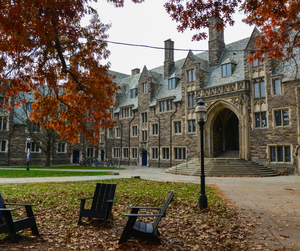
Students aren’t just choosing where they’ll take classes. They’re choosing where they’ll live for four (or more) years.
Take a look at housing, dining, recreation, clubs, transportation, the surrounding area, and the general social environment.
If your student has specific priorities, investigate those while you’re there. That might mean visiting the fitness center, finding the theater, checking out disability services, seeing the engineering labs, or figuring out how far the nearest grocery store is.
7. Let Your Child Take the Lead

This one can be hard for parents.
Let your teen check in at admissions. Encourage them to ask the questions. Let them introduce themselves. Have them navigate campus.
Parents should ask certain questions, particularly about finances and logistics. But this is also a great opportunity for students to practice doing these things for themselves.
Remember this: eventually, you’re going to drive away and leave them there.
8. Don’t Overschedule

It can be tempting to squeeze three colleges into one day, especially when you’ve traveled a long distance.
Try not to.
Trust me, college visits can start to blur together surprisingly quickly. Give yourself enough time to explore campus, grab something to eat, see the surrounding area, and talk about the school before racing to the next stop.
Two thoughtful visits will usually tell you more than four rushed ones.
9. Take Notes Before You Leave (my best tip)

After several visits, every dorm starts looking the same.
Before leaving campus, have your student spend five minutes recording their reactions. This can be in a notes app, spreadsheet, voice memo, or whatever they’ll actually use.
Have them capture:
- Three things they liked
- Three things they didn’t like
- Something that surprised them
- Any unanswered questions
- Their overall gut reaction
Don’t worry about whether their reasons seem important enough. Sometimes a student’s seemingly small observation reveals something significant about what they value.
10. Talk About the Visit, But Give It Some Space

Parents naturally want to ask, “So, what did you think?”
Ask a few open-ended questions and let your child process the experience. You may find that their opinion changes after they have visited a few more colleges and have something to compare it to. But try not to make the ride home an interrogation.
The goal of college visits isn’t necessarily to find the one.
It’s to gather information.
Every visit can help a student refine what they want: bigger or smaller, urban or suburban, more spirited or more laid-back, close to home or farther away, highly structured or more independent.
Even visiting a college your child doesn’t like can be incredibly useful. Sometimes figuring out what they don’t want is one of the most valuable parts of the college search.
One Final Tip

Don’t wait until senior year for your college visits.
Visiting a few different types of colleges during sophomore and especially junior year can help students build a much stronger college list before application season begins. You don’t need to fly across the country. A large university, small liberal arts college, urban campus, and suburban campus within driving distance can teach your student a lot about what feels right.
Ultimately, college visits will help your child understand themselves and what they want for their future a little better.
Download my free College Tour Questions Checklist to help your teen get more out of every visit and have more meaningful conversations with admissions representatives and current students.
If you have questions or want to map out a plan, reach out to me for a free consultation.