

When college application season rolls around, families are often faced with a swirl of deadlines and terms: Early Decision, Early Action, Regular Decision. Add in financial aid deadlines, and it can feel overwhelming. Here’s a straightforward guide to help you understand what’s at stake and how to plan strategically.
Early Decision (ED): Binding Commitment
- What it is: Students apply early (usually by November 1) and commit to attend if admitted.
- Pros: Higher acceptance rates at some schools, clear admission decision by December.
- Cons: Binding commitment limits the ability to compare financial aid offers. Not ideal for families who need to weigh costs.
Best for: Students who are 100% sure of their top choice and families who are comfortable with the likely financial commitment.

Early Action (EA): Non-Binding Flexibility
- What it is: Students apply early, receive an admission decision by December/January, but don’t have to commit until May 1.
- Pros: More time to compare colleges and financial aid, early peace of mind if admitted.
- Cons: Some selective schools (like Harvard, Yale, Princeton, Stanford) offer Restrictive/Single-Choice EA, which limits applying early elsewhere.
Best for: Students who want the advantage of applying early but need flexibility to compare options. This is a popular option for many students.
Financial Aid Timing
Here’s where families can get tripped up: Financial aid deadlines often match or even come earlier than application deadlines.
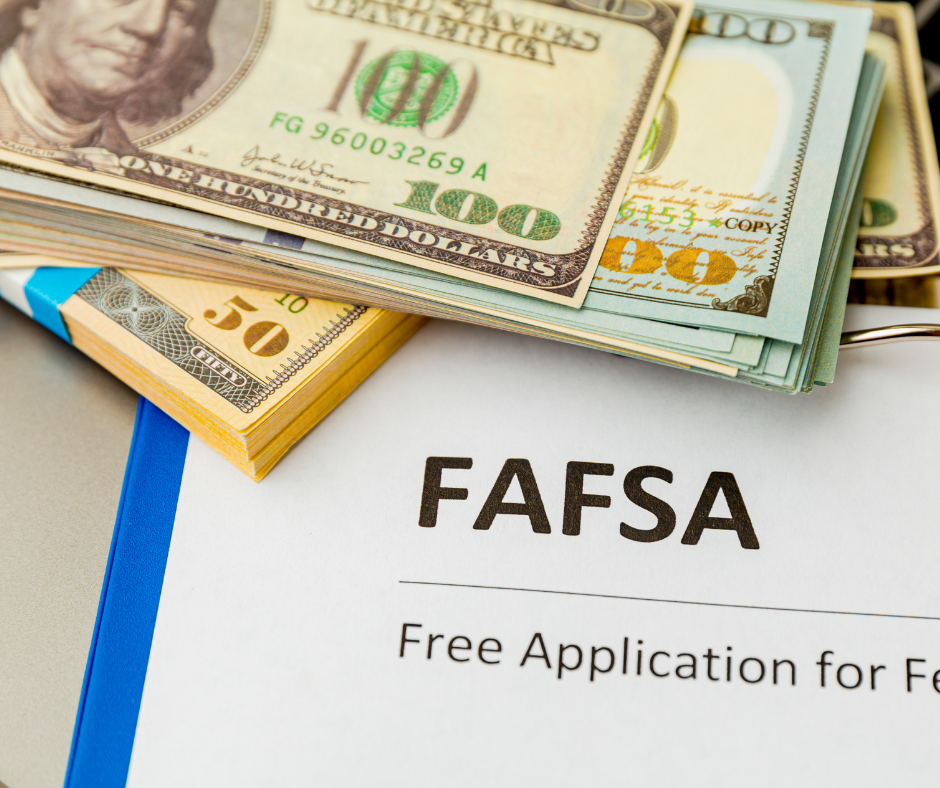
- FAFSA and CSS Profile: Open in the fall; check each college’s priority deadline if applying for need-based aid (many align with Nov. 1 for ED/EA).
- Scholarships: To be eligible for merit aid consideration, applications are due early (often 11/1). Missing these deadlines can reduce available funds.
- ED families: Since ED is binding, request a financial aid “pre-read” if available. This can give you a realistic sense of affordability before committing.
Key Takeaways for Parents
- Discuss priorities early. Is the student chasing a dream school, maximizing merit aid, or keeping options open until spring?
- Mark every deadline. Track application, FAFSA, CSS, and scholarship deadlines together.
- Run net price calculators. Get a preview of costs at each college before committing to ED.
- Have a financial plan. Decide as a family how much you are willing and able to pay.
Final Thought
Early Decision and Early Action can give students a powerful head start in the college process—but only if families align on both academic and financial fit. The best applications happen when everyone understands the trade-offs and deadlines well before November arrives. And if you’re unsure how to guide your teen through that process—let’s talk.